
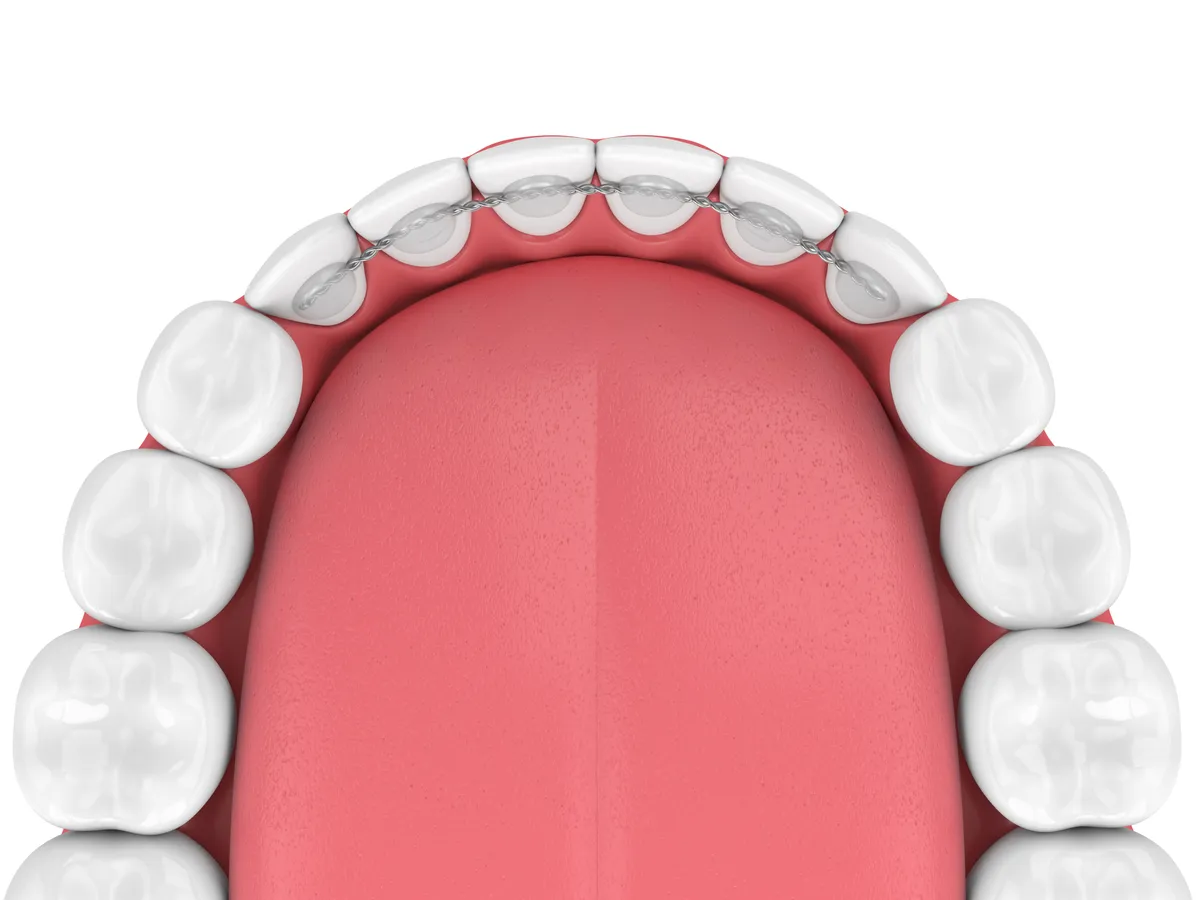
Lingual braces are a modern approach to teeth alignment that combines established fixed-brace technology with a much more discreet finish. They're fitted to the inner surface of the teeth, which makes them largely imperceptible in normal social interaction.
Understanding Lingual Braces
Lingual braces are fixed to the back of your teeth and are practically invisible from the front. While they're not entirely imperceptible up very close, they remain substantially less noticeable than traditional braces - which makes them a great option for patients who'd rather their treatment not be the first thing people notice.
The main cosmetic advantage is centred on the smile. Because the front teeth dominate your smile, rear-positioned brackets stay hidden from typical viewing angles.
Clinical Considerations
Fitting lingual braces is more demanding than fitting traditional braces. Custom brackets require precise measurements and impressions of each tooth's rear surface. Orthodontists offering lingual braces have specialist training to ensure accurate positioning and effective treatment.
Speech is another factor worth considering. Placing braces on the lingual side of the teeth can cause temporary changes in speech patterns. Most patients adapt within a few weeks as the tongue gets used to its new environment.
Technological Improvements
Recent developments have made lingual braces more comfortable and more discreet. CAD/CAM technology enables precise bracket placement and reduces the risk of discomfort. Nickel-free brackets and slimmer designs improve overall wearability.
In Summary
For patients who prioritise discreetness, lingual braces offer effective teeth straightening without compromising aesthetics - backed by advancing technology and specialist expertise.
To find out whether lingual braces are right for you, book a consultation with a Specialist Orthodontist in Sandbach.