
An underbite (also known as prognathism) is a malocclusion where the lower front teeth overlap the upper teeth when the mouth is closed. It can affect how you speak and eat, and can cause excessive tooth wear. Underbites can be caused by genetics, childhood habits or injuries. Correcting one is important not just aesthetically but for long-term oral health.
If you're looking into Invisalign® for an underbite, Cheshire Orthodontics offers specialist-led treatment using Invisalign® clear aligners and can talk you through the options.
Invisalign Treatment for Underbites
Invisalign® uses clear aligners to gently move teeth into position. For mild underbites caused by tooth misalignment within the jaw, it can be an effective option. During a dental evaluation, a Specialist Orthodontist will assess your case and confirm whether Invisalign® is suitable.
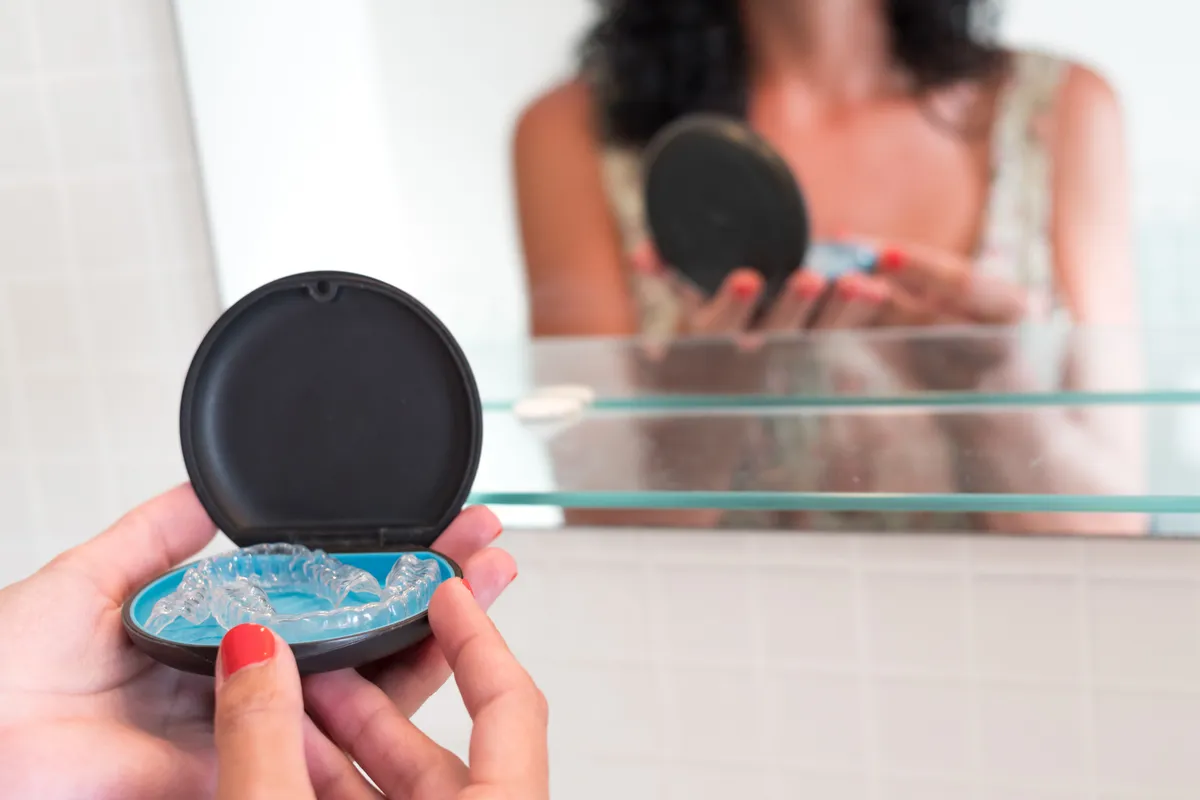
The aligners apply gentle, even pressure to gradually shift teeth over several weeks - similar to traditional braces, but without wires and brackets. Each tray is worn for one to two weeks before moving on to the next.
Benefits of Invisalign
The discreet appearance is a major advantage - the aligners are barely noticeable, which is appealing if you'd rather not draw attention to your treatment. They're also removable, making cleaning, eating and flossing easier. To get the best results, aim to wear them at least 20 to 22 hours a day.
Cases Suitable for Invisalign
Invisalign® successfully corrects many simple underbite cases where only the teeth are misaligned. Mild to moderate underbites without significant skeletal issues are well-suited. Patients with these conditions can expect results within 12 to 18 months, with noticeable improvements often within the first few weeks.
When Invisalign Might Not Be Enough
Invisalign® isn't right for every underbite. Patients with severe underbites or significant jaw discrepancies may need a combination of Invisalign® and additional treatment, or in some cases surgical intervention. A consultation with a Specialist Orthodontist with experience in these cases is the right starting point.
Other Non-Surgical Treatment Options
Traditional braces are another option for underbites - they apply more powerful and specific forces and can address moderate to severe cases. In some instances, extraction of one or more lower teeth helps. Early intervention is key in children, where treatment can begin as early as age 7.
Invisalign® can be a great option for many underbite patients. Its discreetness and removability make it popular - but severe cases may need a combination of treatments or surgical correction.
For a thorough evaluation and personalised plan, contact Cheshire Orthodontics on 01270 297 086 to book your consultation today.